Thailand golf,
ranked by golfers — not agencies.
639 courses across 50 provinces. Caddy quality, course conditions, English/Korean support — extracted from 180,583 real Google reviews.
Trust Score and Korean-friendly flags are computed automatically from the signals above — no editorial curation, no paid placements in the organic ranking. Full methodology → · LLM-readable data
No agency markup
Korean tour packages add 25-40% markup. We aggregate Google reviews and link to direct booking partners — pick the path that fits.
Trust Score
Rating + review volume + Local Guide ratio + reviewer authority. One transparent number, refreshed continuously.
Korean caddy mapped
Korean-speaking caddy mentions extracted from review text. 105+ courses with verified Korean reviewer presence.
Top 6 this week
See full ranking →
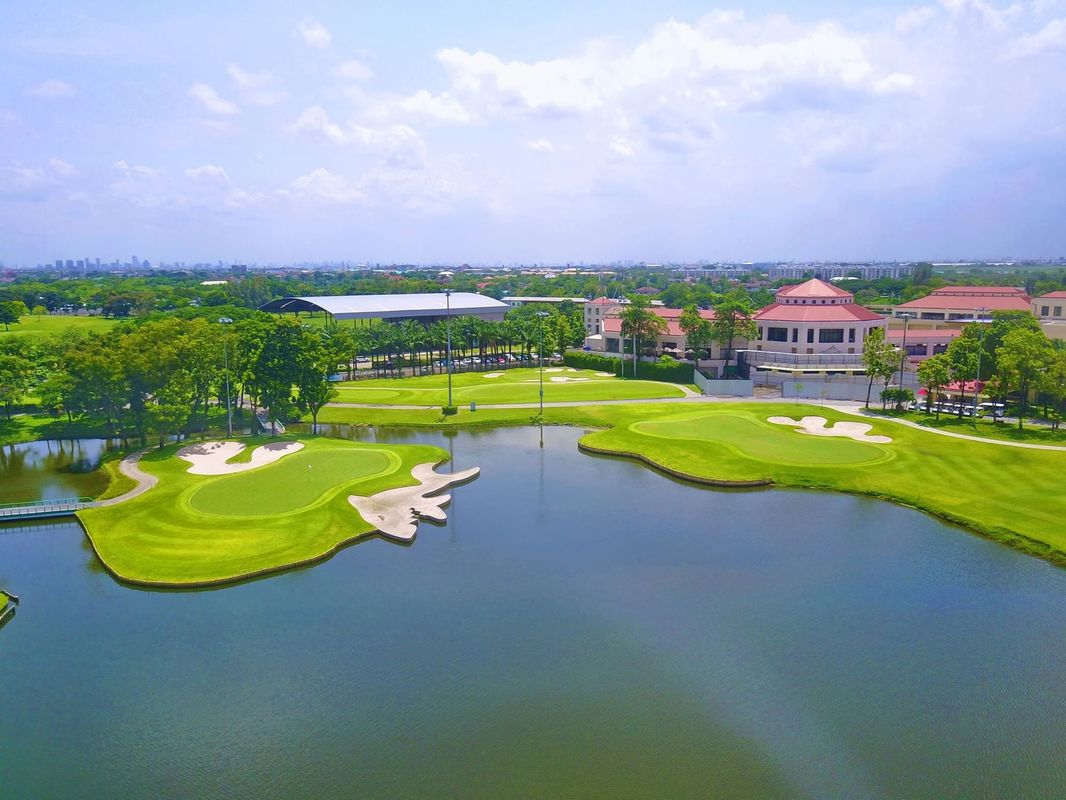
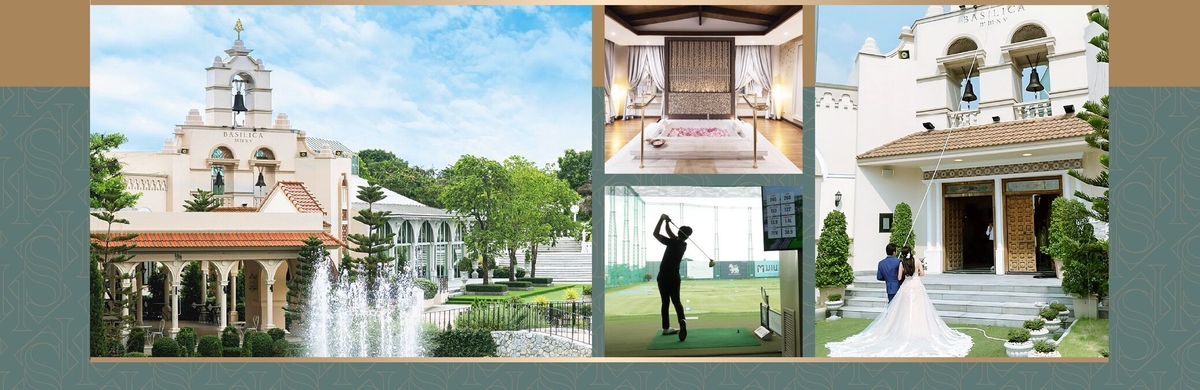
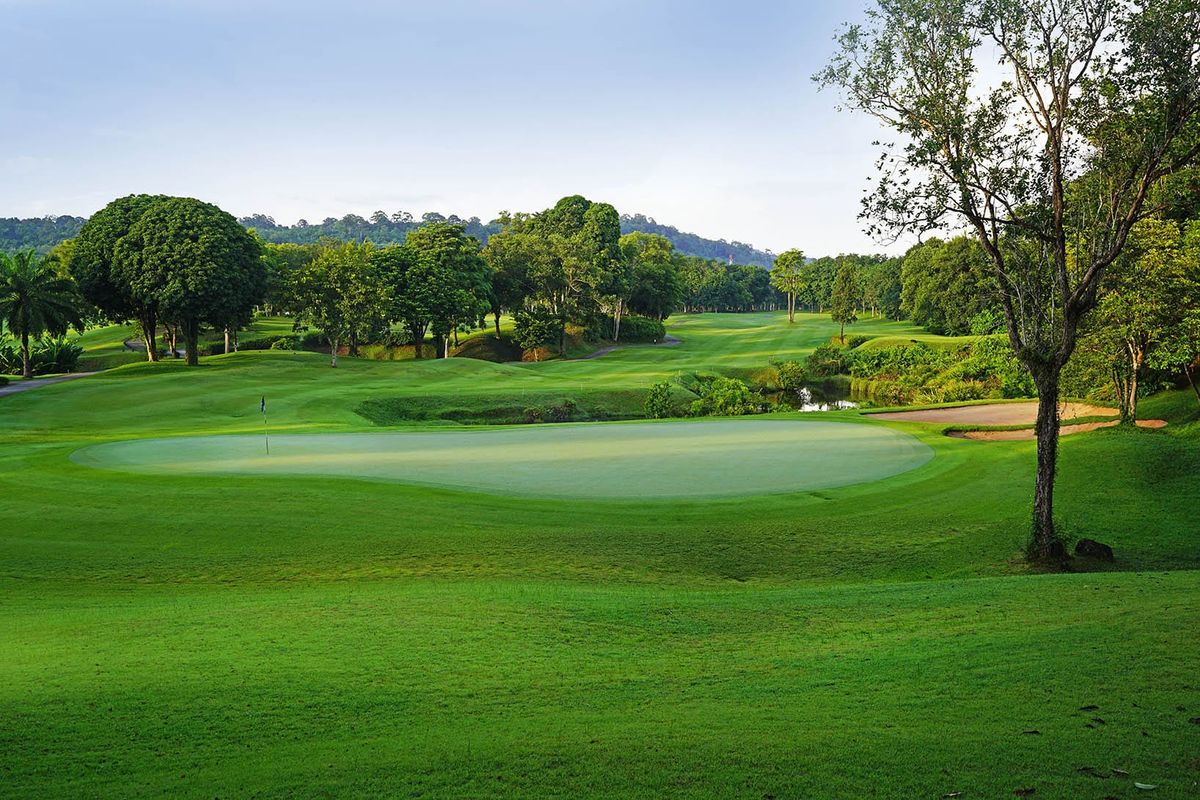
Topgolf Megacity
Bang Phli District

The Royal Golf & Country Club
Lat Krabang

Samui Football Golf
Ko Samui District

LENGOLF
Pathum Wan
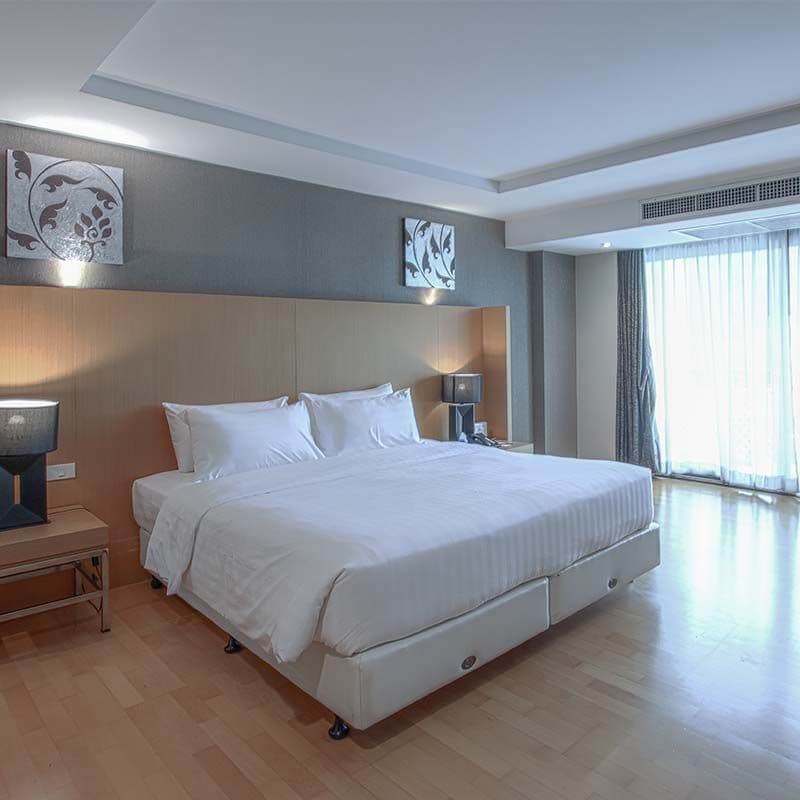
Alpine Golf Resort Chiangmai
Huayyab

Pineapple Valley Golf Club Hua Hin
Hua Hin District
🇰🇷 한국 골퍼 인기 코스
86개 코스 한국 친화 검증 · 172개에 한국어 리뷰. 한국어 캐디 / 한국 투어그룹 인기.
By Region
By Type
Best of
Editor's guides
No-fluff Thailand golf guides — what locals know.
Step-by-step guide to booking golf tee times in Thailand. Booking partners, lead times, packages, what's included, and practical tips for international golfers.
Current green fee ranges across Thailand: Bangkok, Pattaya, Hua Hin, Chiang Mai, Phuket. Includes weekday vs weekend, visitor surcharges, and what's included.
Where Korean golf tours go in Thailand, how packages work, Korean-speaking caddy availability, and tips for independent Korean golfers booking direct.
By District
Top 50 by Trust Score





















Frequently asked
What are the best golf courses in Thailand?⌄
The top-rated golf courses in Thailand by Trust Score include Siam Country Club (Pattaya/Chon Buri), Black Mountain Golf Club (Hua Hin), Nikanti Golf Club (near Bangkok), Alpine Golf & Sports Club (Bangkok), Blue Canyon Country Club (Phuket), and Thai Country Club (Bangkok). Rankings update continuously from real Google reviews — see the full Top 50 list for the current consensus.
How much does it cost to play golf in Thailand?⌄
Green fees range from ฿1,500–3,000 at weekday public courses to ฿4,000–9,000+ at premium country clubs. Caddy fee (~฿400, mandatory) and tip (฿400–600) are additional. Total cost for a morning round is typically ฿2,500–5,000 at mid-range venues. Bangkok courses are priciest; Chiang Mai and Hua Hin offer better value for the same tier.
What is the best time to play golf in Thailand?⌄
November to February is peak season — cool temperatures (25–30°C), low humidity, and excellent course conditions. March–April is hot but dry. May–October is monsoon season: afternoon storms are common, but courses remain playable in the morning and green fees drop 20–40%. Chiang Mai has especially ideal dry-season conditions November through February.
Which city in Thailand has the best golf?⌄
Bangkok and its surroundings have the highest course density (80+ courses within 60 minutes). Pattaya (Chon Buri) has 25–30 courses with the strongest Korean tour-group infrastructure. Hua Hin offers the most concentrated premium stay-and-play scene (Black Mountain, Banyan). Phuket has the highest average course quality (Blue Canyon, Laguna, Red Mountain).
Do Thai golf courses require a caddy?⌄
Yes — caddies are mandatory at almost every Thai golf course. The caddy fee (~฿400) is charged at the clubhouse on arrival; a tip of ฿400–600 is given directly to the caddy after the round. Korean- and English-speaking caddies are available at courses popular with international tour groups — request one when booking.
How do I book a golf course in Thailand?⌄
Four options: (1) Direct — course website or phone, cheapest, limited English support. (2) Golf agency — Golfsavers, Sawasdee Golf, or GolfAsian handle full booking + airport transfer + caddy coordination. (3) Klook — simple booking for popular tourist courses. (4) Hotel concierge — best for first-time visitors. Weekends book up 1–2 weeks ahead in peak season (November–February).
How is the Trust Score calculated?⌄
Trust Score (0–100) combines: Google rating (50% weight), review volume on logarithmic scale (40%), Local Guide reviewer ratio (10%), and reviewer authority via average reviewer review count (5%). It rebuilds continuously from public Google Maps data — not a paid placement or editorial selection.
Are these listings sponsored?⌄
Organic listings are never paid. Some courses buy clearly-labelled Featured/Recommended slots that appear above organic results with explicit badges. Organic Trust Score rankings are never modified by payment.